
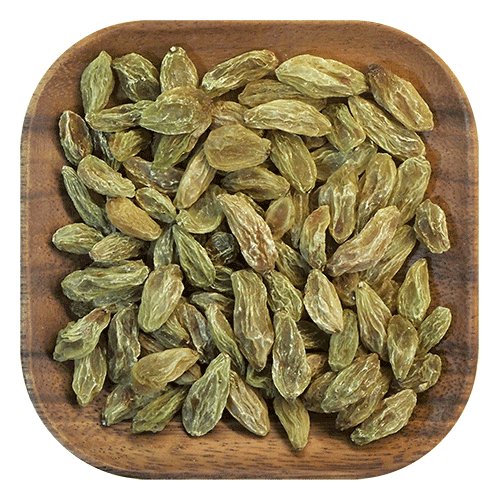
Raisin
Raisins are rich in iron and calcium, which can help improve iron-deficiency anemia. Additionally, grape skins contain abundant polyphenols, and grape seeds are rich in anthocyanins, providing strong antioxidant capabilities to maintain vascular integrity, enhance microvascular elasticity, promote blood circulation, and slow down cellular aging.
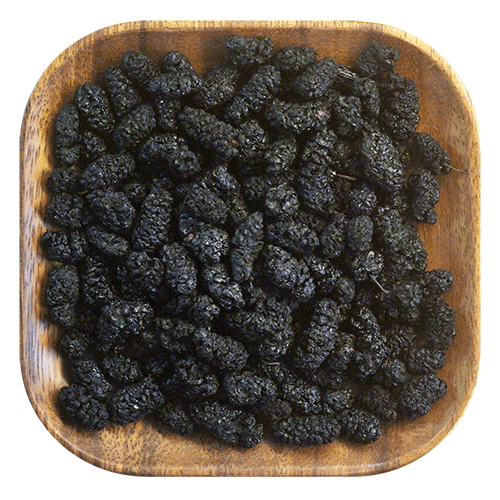
Mulberry
Mulberries are rich in anthocyanins and resveratrol, two potent antioxidants that combat free radicals in the body, reduce inflammation, and potentially offer anticancer, cardiovascular health-promoting, and anti-aging properties. Additionally, they are abundant in vitamins like beta-carotene and vitamin A, facilitating lymphatic transformation and supporting a robust immune system. The soluble and dietary fiber in mulberries aids in promoting healthy bowel movements.
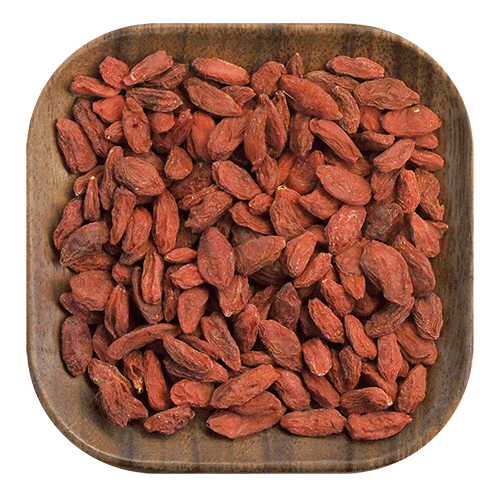
Goji Berry
From a traditional Chinese medicine perspective, goji berries are believed to nourish the liver and kidneys, and improve vision. They are suitable for individuals with eye fatigue, high stress levels, dizziness, liver and kidney deficiency, weak lower back and knees, and poor sleep quality.
Goji berries have long been regarded as a “superfood” overseas due to their high nutritional value, rich in dietary fiber, beta-carotene, vitamins A, B1, B2, C, calcium, iron, and more, with notable benefits for vision. Research has shown that goji berries not only protect retinal ganglion cells in the retina and combat glaucoma but also help prevent neuronal apoptosis in the brain to deter brain degenerative diseases. It is recommended to consume 20 to 40 berries daily.
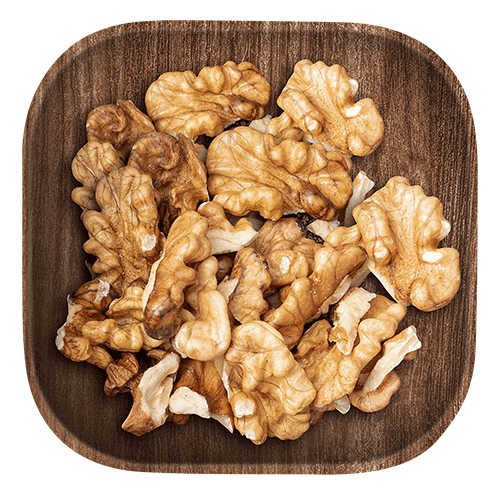
Walnut
Walnut kernels, hailed as one of the “four major nuts,” offer substantial energy, a quality source of protein, and abundant fiber content. Rich in vitamins B and E, they contribute to cardiovascular health, mood enhancement, and brain function. Consuming a serving daily (approximately 7-9 kernels) is a healthy snacking option.
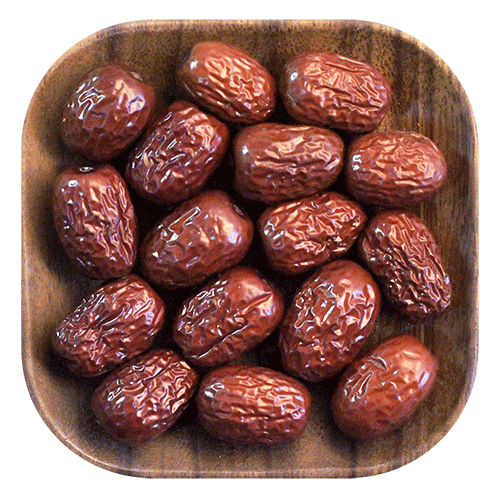
Red Date
Red dates are sweet in flavor and warm in nature; they can replenish the middle burner, benefit the qi, nourish the blood, and promote the production of body fluids. According to the Compendium of Materia Medica (Bencao Gangmu), red dates have the effects of strengthening the spleen, nourishing the stomach, benefiting the blood, and vitalizing the spirit, making them an important ingredient in dietary therapy.
Red dates are rich in nutrients, containing vitamins A, C, and B complex, as well as protein, iron, calcium, phosphorus, magnesium, flavonoids, and polysaccharides. These nutrients provide antioxidant benefits and help enhance immunity.
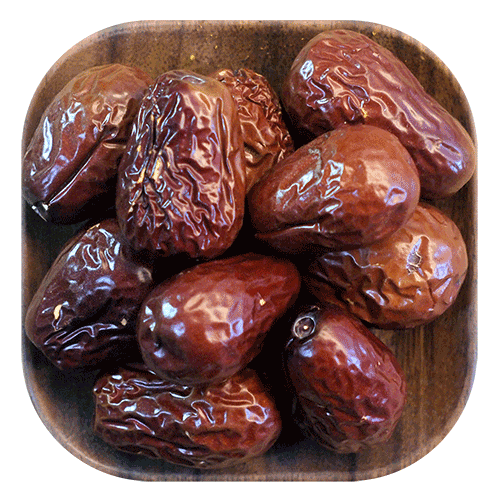
Hotan Red Date
Produced in Hotan, Xinjiang. The region’s unique, purely natural geographical climate and abundant sunshine make the red dates grown here richer in nutrients. With up to 10 hours of daily sunshine and a frost-free period of over 220 days a year, Hotan red dates enjoy a longer ripening period. Furthermore, the pollution-free alkaline sandy soil is perfectly suited for date growth, and the area benefits from Kunlun Mountains glacier meltwater that is rich in mineral elements. Consequently, compared to other red dates, Hotan red dates are larger in size, plumper, thicker in flesh, thinner in skin, and smaller in pits. They are also richer in minerals and nutrients, with a sweeter and mellower taste.
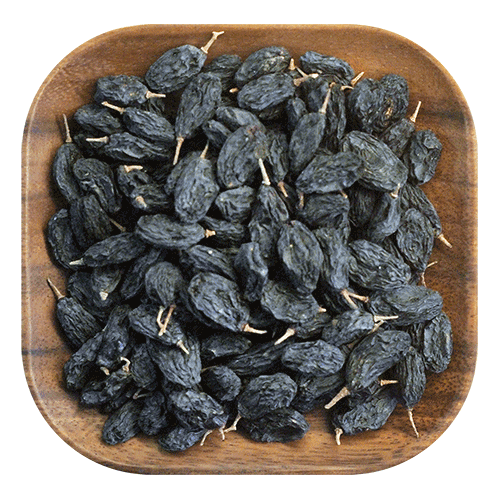
Blackcurrant Raisin
Blackcurrant raisins are a type of raisin made by drying black rose grapes. They are naturally black on the outside, seedless, thick-fleshed, pleasantly mellow, and possess the natural aroma of wine with a delightfully chewy texture.
Blackcurrant raisins contain iron and vitamins that can prevent anemia, as well as several types of polyphenols that provide antioxidant benefits and prevent aging. Additionally, their dietary fiber helps improve constipation, and they contain anthocyanins that are beneficial for eye health. From the perspective of Traditional Chinese Medicine, blackcurrant raisins replenish energy, nourish the blood, tonify the liver and kidneys, and strengthen muscles and bones.
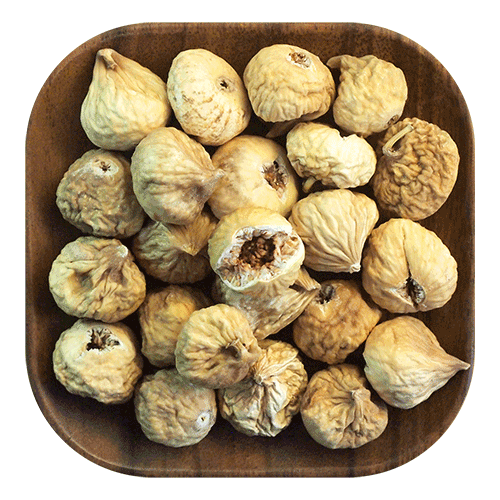
Fig
Dried figs are sweet in flavor and cooling in nature; they can clear heat, promote the production of body fluids, moisten the lungs, soothe the throat, and relax the bowels to relieve constipation. Rich in fiber, dried figs help stimulate gastrointestinal motility, thereby alleviating constipation issues. For busy urban dwellers, eating more figs can effectively relieve dry mouth, sore throat, constipation, and other symptoms of internal heat.
Dried figs are rich in calcium, potassium, folate, anthocyanins, as well as vitamins C and E and other antioxidants, which help protect cells, fight inflammation, and inhibit free radicals. In addition, dried figs contain proteolytic enzymes (protease) that can enhance stomach digestive function and ease gastrointestinal discomfort caused by overeating.
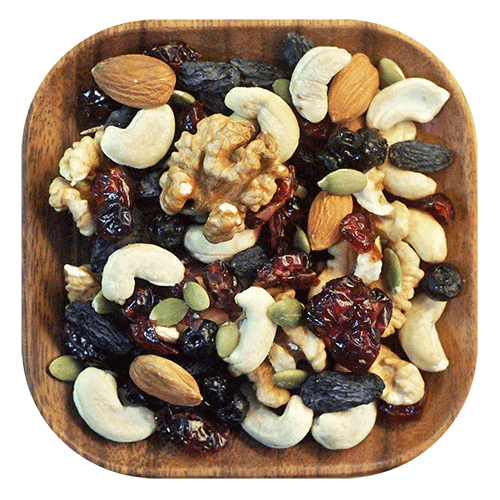
Mixed Nuts
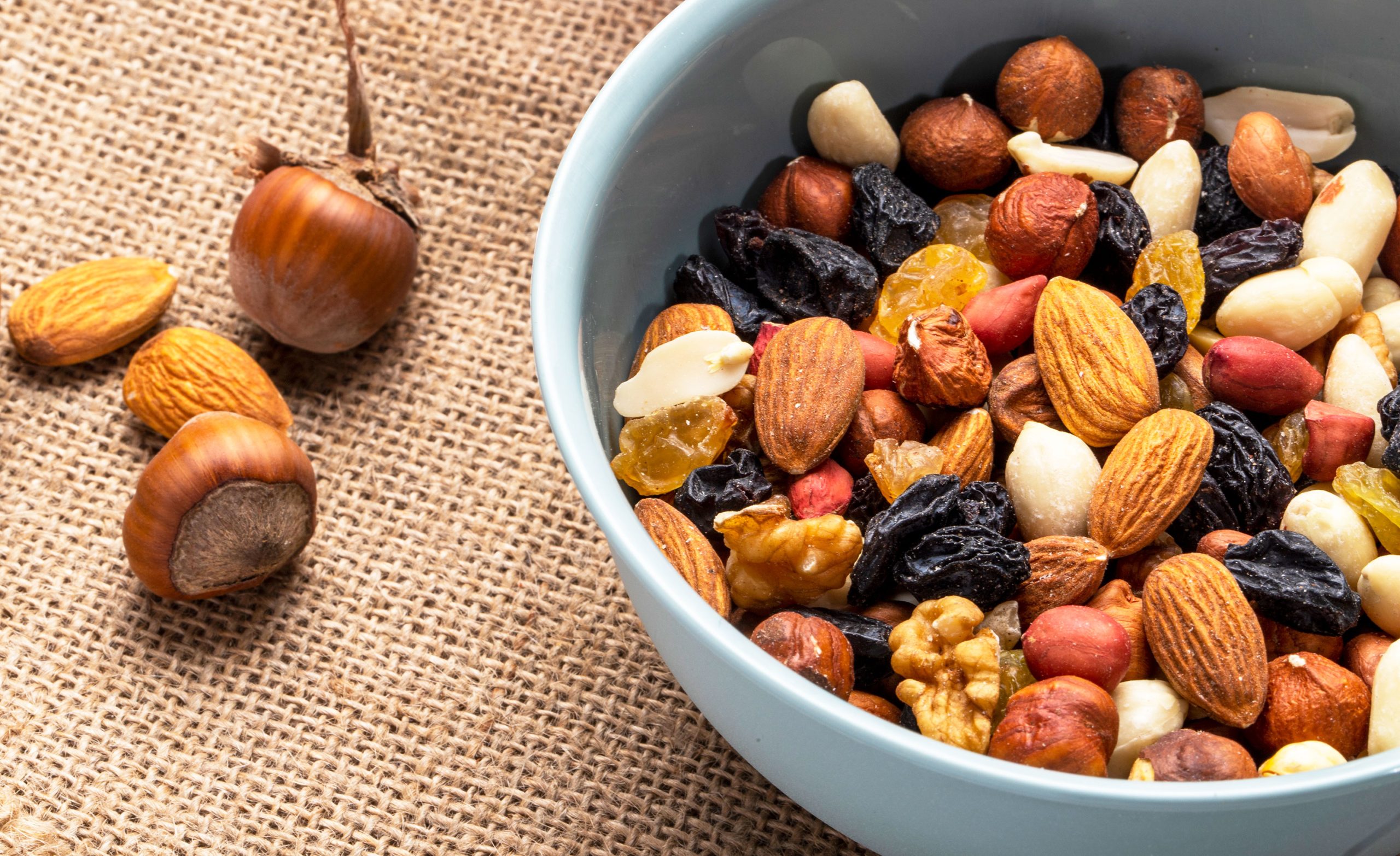
A mix of various nuts and dried fruits, including walnuts, almonds, cashews, blueberries, cranberries, blackcurrants, and pumpkin seeds. Nuts are rich in high-quality, healthy polyunsaturated fatty acids, providing a good source of protein and dietary fiber. They are also packed with B-complex vitamins, vitamin E, and essential minerals (such as zinc and magnesium), helping us replenish vital nutrients!
Although nuts are relatively high in calories, they offer excellent nutritional value. The unsaturated fatty acids they contain help lower bad cholesterol, making them a premium source of protein. Therefore, consuming them daily in moderation as a substitute for other snacks is highly beneficial.
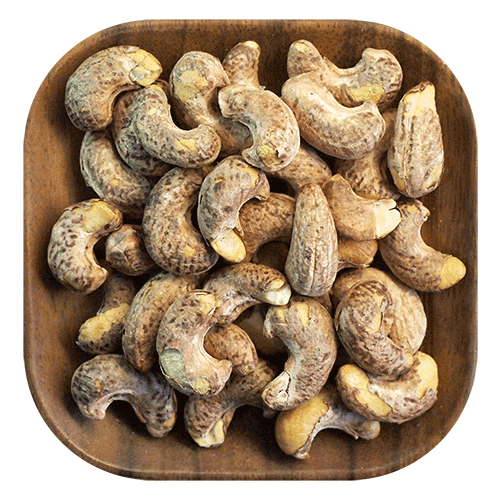
Cashew
Cashews (baked/roasted, with no added seasoning) have high nutritional value and are rich in protein, folate, unsaturated fatty acids, and vitamin K. They also contain minerals such as magnesium, phosphorus, copper, potassium, and sodium. Although cashews have a fat content as high as 46.5%, it consists entirely of unsaturated fatty acids. This places very little burden on the body and actually helps prevent cardiovascular diseases.
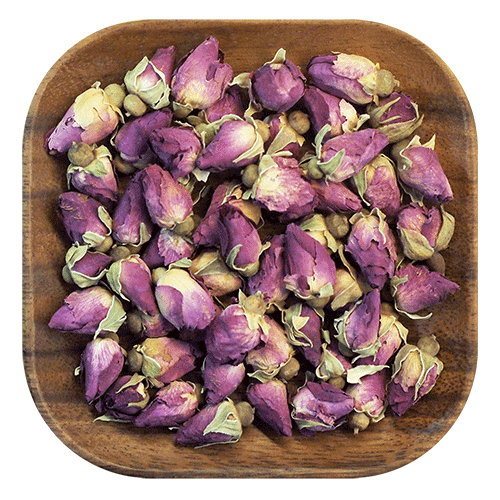
Rose Tea
Roses are sweet and slightly bitter in flavor, warm in nature, and non-toxic. Entering the liver and spleen meridians, they have the effects of promoting qi, activating blood circulation, dispersing stasis, relieving pain, regulating qi, and easing depression.
Therefore, drinking rose tea can help improve chest and rib-related symptoms caused by poor qi and blood circulation, such as a feeling of fullness and tightness in the chest and short-breathedness. It also alleviates gastrointestinal discomforts like indigestion and nausea accompanied by a poor appetite. Furthermore, it is effective in relieving gynaecological issues caused by qi and blood deficiency, or qi stagnation and blood stasis, including irregular menstruation, menstrual cramps, and breast tenderness, as well as emotional symptoms like feeling down or depressed.
Directions for Use: Rinse 8 to 10 rose buds thoroughly, then steep in boiling water for 5 minutes. They can also be paired with other ingredients, such as goji berries, red dates, or honey, to make a beautifying tea.
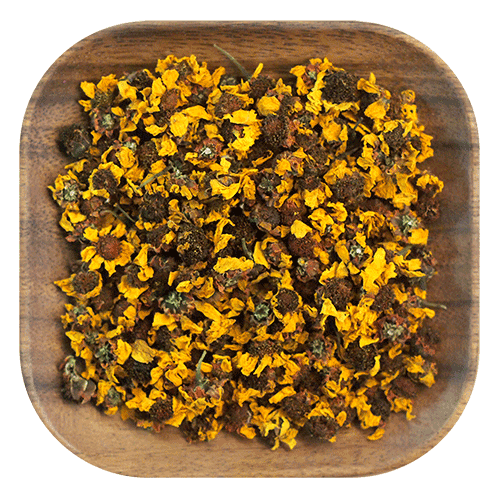
Snow Chrysanthemum
Kunlun snow chrysanthemum contains 18 types of amino acids and 15 trace elements that are beneficial to the human body. It is a natural plant for health and wellness passed down through generations by the Uyghur people. It has the effects of lowering blood lipids and softening blood vessels, offering particular therapeutic benefits for coronary heart disease, hyperlipidemia, and diabetes. Since Kunlun snow chrysanthemum helps clear toxins and waste from the body, it is also beneficial for fat reduction, weight loss, detoxification, and skin rejuvenation.
Furthermore, from the perspective of Traditional Chinese Medicine, wild chrysanthemum is cooling in nature. It functions to dispel wind, clear heat, detoxify, reduce swelling, refresh the brain, and improve eyesight. It shows notable effects against pneumonia, rhinitis, bronchitis, and sore throats, thereby providing antibacterial, bacteriostatic, anti-inflammatory benefits, as well as helping to prevent colds and chronic enteritis. Long-term consumption of Kunlun snow chrysanthemum is also highly effective for those who suffer from frequent insomnia.
Directions for Use: Rinse 8 to 10 snow chrysanthemum buds thoroughly, then steep in boiling water for 5 minutes. If you are concerned that the snow chrysanthemum is too cooling, you can pair it with Pu-erh tea, ginger powder, goji berries, or black tea to neutralize its cooling nature.
Precautions: Snow chrysanthemum is cooling in nature; therefore, it is not recommended for individuals with yang deficiency and external cold, those with a weak spleen and stomach, women during menstruation, pregnant women, breastfeeding mothers, or menopausal women. Since snow chrysanthemum has blood pressure-lowering effects, individuals with low blood pressure should consume it with caution, as it may cause their blood pressure to drop even further.
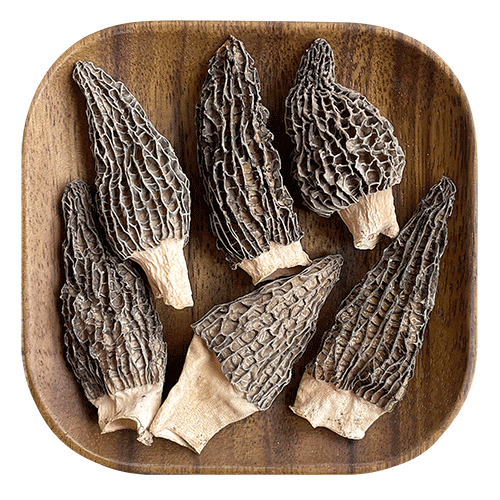
Morel Mushroom
One of the four renowned fungi worldwide. It boosts immunity, aids digestion, enhances cognition, prevents heart disease. Rich in linoleic acid, it can lower cholesterol, prevent atherosclerosis and boost memory.