
Q1. What are the differences between white honey and yellow honey?
Q2. Why is white honey so special?
Q1. What are the differences between white honey and yellow honey?
White honey and yellow honey differ in appearance, texture, aroma, and taste.
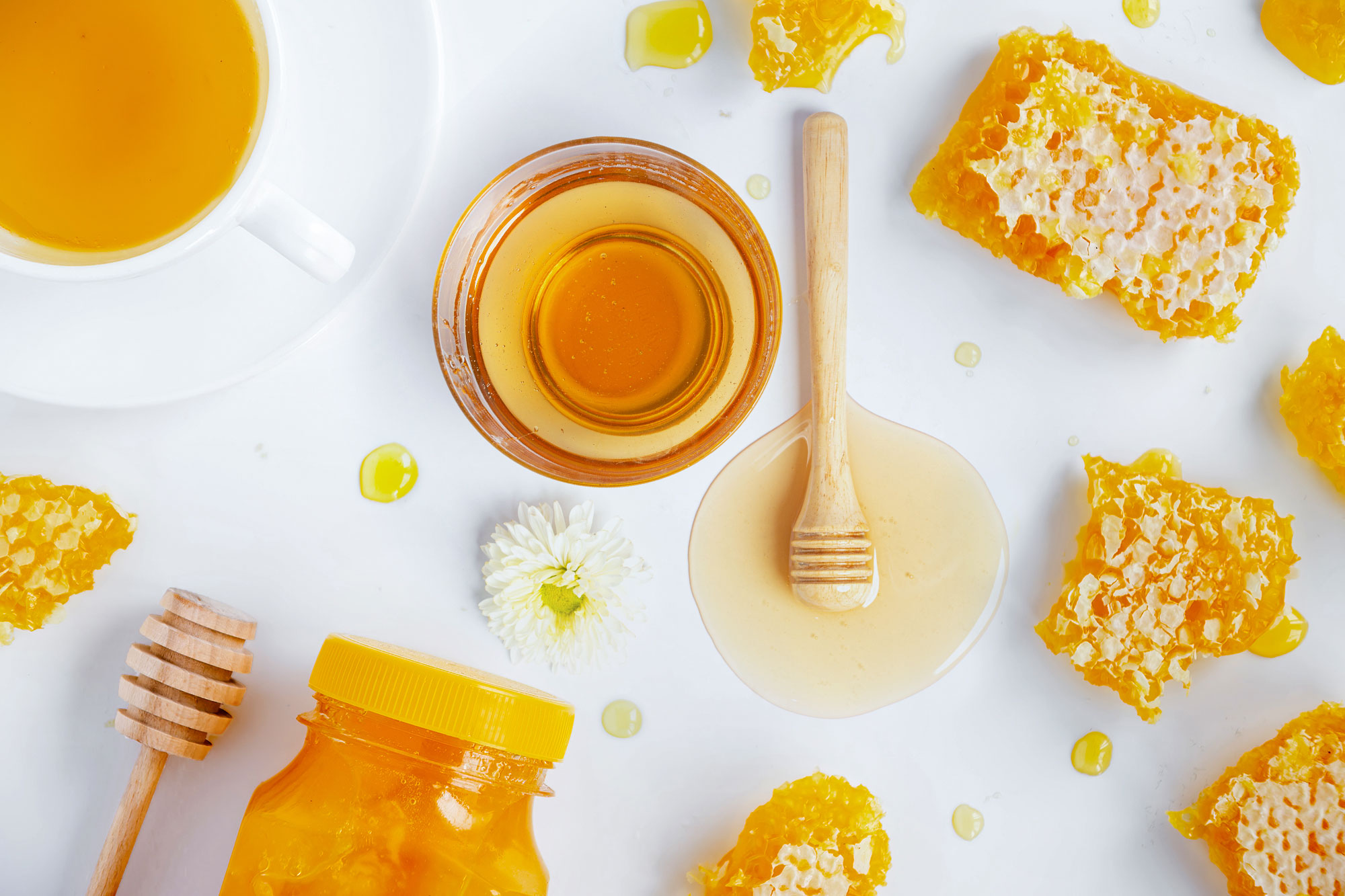
White honey is typically milky white or light yellow in color and has a very pure appearance. It has a mild and delicate flavor with a subtle floral aroma. Its texture is thick and it can be spread on bread or paired with dried fruits for direct consumption.
Yellow honey, on the other hand, has a deeper color, usually appearing in shades of yellow-orange or amber. It has a richer flavor and aroma compared to white honey. Its texture is more liquid, and it can be enjoyed by dissolving it in warm water for drinking.
The difference in honey color primarily depends on the different nectar sources collected by bees. Both white honey and yellow honey are highly nutritious, and you can choose based on your preferences and dietary habits.
Q2. Why is white honey so special?
- Rare and Uncommon: White honey is relatively rare and less common compared to other types of honey. It is produced in specific regions or during specific seasons when certain floral sources are in abundance. Its scarcity adds to its allure and uniqueness.
- Light Color and Appearance: White honey is characterized by its light color, ranging from pale yellow to nearly translucent. Its visual appeal attracts attention and distinguishes it from darker varieties of honey.
- Mild and Delicate Flavor: White honey typically has a mild and delicate flavor profile. It often exhibits subtle floral or fruity notes, allowing the natural sweetness of the honey to shine through without overpowering the palate. This gentle flavor makes it appealing to those who prefer a more nuanced taste.
- Versatility in Culinary Applications: Due to its mild flavor, white honey is versatile in various culinary applications. It can be used as a sweetener in beverages, drizzled over desserts, incorporated into dressings or marinades, or enjoyed simply on its own. Its subtle taste blends well with other ingredients and enhances the overall flavor of dishes.
- Pristine Floral Sources: White honey is typically sourced from regions with diverse and pristine floral resources. Bees gather nectar from a variety of flowers, including wildflowers, clover, or specific blossoms that contribute to its unique flavor profile. The purity of the floral sources adds to the special qualities of white honey.
Q3. Kyrgyzstan Honey VS Manuka Honey?
Kyrgyzstan honey and Manuka honey are both highly regarded for their unique qualities, but they originate from different regions and offer distinct characteristics. Here’s a comparison between these two types of honey:
- Source of Production:
- Kyrgyzstan Honey: Produced in the pristine natural environment of Kyrgyzstan, where diverse floral resources and untouched landscapes contribute to its exceptional quality.
- Manuka Honey: Derived from the nectar of the Manuka tree (Leptospermum scoparium), predominantly found in New Zealand and parts of Australia.
- Unique Properties:
- Kyrgyzstan Honey: Kyrgyz honey is known for its diverse flavors, ranging from delicate and floral notes to robust and earthy tones. The strength and resilience of Kyrgyz bees, coupled with the country’s natural environment, contribute to its distinct profile.
- Manuka Honey: Manuka honey is renowned for its unique antibacterial properties attributed to the presence of methylglyoxal (MGO). It is often sought after for its potential health benefits and is graded based on its MGO content.
- Certification and Grading:
- Kyrgyzstan Honey: While Kyrgyz honey has gained recognition in international beekeeping competitions, it may not have a specific grading system or certification like Manuka honey.
- Manuka Honey: Manuka honey undergoes stringent testing and is graded based on its MGO content. The higher the MGO level, the stronger its potential health benefits.
- Market Presence:
- Kyrgyzstan Honey: Kyrgyz honey may be less well-known in the global market compared to Manuka honey, but it is gaining increasing attention for its exceptional quality.
- Manuka Honey: Manuka honey has established a strong reputation worldwide and is highly sought after for its unique properties, leading to a more prominent presence in the honey market.
In summary, Kyrgyzstan honey and Manuka honey offer distinct flavors, qualities, and market presence. Kyrgyzstan honey showcases the natural beauty of its origin, while Manuka honey stands out for its specific antibacterial properties. Both types of honey have their own unique appeal, catering to different preferences and purposes.
Q4. How long is the shelf life of honey?
The shelf life of honey is exceptionally long. When stored properly, honey can essentially last indefinitely. Archaeologists have even found pots of honey in ancient Egyptian tombs that are thousands of years old and still perfectly edible.
Honey’s natural properties, such as its low moisture content and high sugar concentration, create an inhospitable environment for bacteria and other microorganisms to thrive. However, over time, honey may undergo changes in color, texture, and flavor. It may crystallize, becoming thicker and grainy, but this is a natural process and does not indicate spoilage.
To maintain the quality of honey for an extended period, it is recommended to store it in a cool, dry place and keep it sealed tightly.